
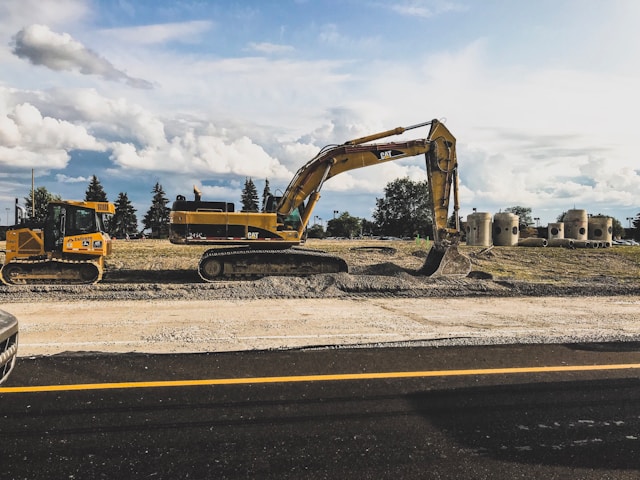
The Science of Asphalt: How Technology is Transforming Road Construction
Table of Contents
- Introduction to Modern Road Construction
- The Role of Asphalt in Infrastructure
- Technological Advances in Asphalt Production
- Sustainable Practices in Road Construction
- The Impact of Smart Technologies
- Case Studies of Innovative Road Construction
- Future Trends in Asphalt and Construction
- Conclusion: The Road Ahead for Modern Infrastructure
Asphalt remains a cornerstone material in the dynamic world of infrastructure and construction due to its incredible durability and cost-effectiveness. Roads, from vast highways to quaint local streets, rely heavily on asphalt for their construction. Its widespread use has fostered a transformative journey where technology continuously plays a pivotal role. For instance, acquiring on-site paving estimates Granger, IN, is crucial for understanding the industry’s contemporary practices and financial aspects. Technological advancements enhance road construction and promote quality and sustainability for urban growth.
The Role of Asphalt in Infrastructure
Asphalt, characterized by its flexible yet robust properties, has played an essential role in Western civilization’s infrastructure. Dating back to its initial applications in the early 1900s, asphalt has evolved to meet modern transportation needs. Today, it serves as the foundation for roads and as a significant material in airport runways, parking lots, and recreational surfaces. This evolution symbolizes the material’s adaptability and enduring importance in society’s developmental trajectory.
Technological Advances in Asphalt Production
One of the groundbreaking developments in asphalt technology is Warm Mix Asphalt (WMA), a technique that allows the mixture to be produced and applied at significantly lower temperatures. This innovation reduces energy consumption and minimizes greenhouse gas emissions, making it an environmentally friendly choice. Furthermore, WMA technology improves paving quality and extends the paving season because it can be laid in cooler conditions. Industry stakeholders are encouraged to engage with emerging techniques for an in-depth look at warm-mixed asphalt technology and its numerous benefits.
Sustainable Practices in Road Construction
Environmental considerations have become paramount in today’s construction industry. Integrating recycled materials such as reclaimed asphalt pavement (RAP) is increasingly common, significantly reducing the need for virgin aggregate. This conserves natural resources and offers cost savings, as recycled materials are typically less expensive. Such practices contribute to sustainable construction processes and align with global efforts to reduce environmental impact, paving the way for greener infrastructures worldwide.
The Impact of Smart Technologies
Integrating innovative technologies represents a leap towards more intelligent and responsive road infrastructures. Real-time data collection has become feasible with the introduction of sensors and IoT devices within road systems. This data aids in predictive maintenance, allowing roads to be serviced before minor issues become major problems. Continuous monitoring of traffic patterns and weather conditions can significantly improve safety and maximize the lifespan of road systems.
Case Studies of Innovative Road Construction
Numerous innovative road construction projects worldwide highlight the effective use of technology in asphalt applications. For example, the concept of Perpetual Pavements reveals how roads can be engineered to last longer with less frequent repairs. These projects demonstrate the economic and environmental merits of investing in technology-driven asphalt solutions, fostering an overarching commitment to sustainability in public works projects.
Future Trends in Asphalt and Construction
In the future, asphalt construction will increasingly integrate artificial intelligence and robotics. AI can enhance process efficiency by analyzing construction data, while robots might undertake complex tasks such as laying road surfaces with precision. Automation promises to improve overall accuracy, reduce human error, and expedite project completions, thus redefining the benchmarks in construction practices.
Conclusion: The Road Ahead for Modern Infrastructure
In conclusion, technology is driving significant advances in road infrastructure. By embracing smart technologies, sustainable practices, and AI innovations, the road construction industry is set to meet the challenges of modern urbanization head-on. Ongoing innovation is essential to ensure roads fulfill their roles as the backbone of connectivity, offering smoother, safer, and more sustainable pathways for communities around the globe.