
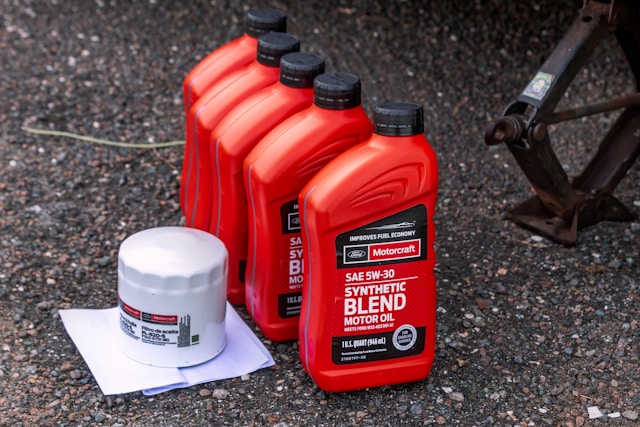
Optimizing Vehicle Performance with Regular Oil Services
Table of Contents
- Importance of Regular Oil Changes
- Benefits of Using Synthetic Oil
- Signs You Need an Oil Change
- How Oil Impacts Engine Longevity
- Choosing the Right Type of Oil for Your Vehicle
- DIY vs. Professional Oil Services
- Environmental Impact of Oil Disposal
- Cost-Effective Oil Maintenance Tips
Importance of Regular Oil Changes
Maintaining the longevity and performance of your car depends on routine oil changes. Because fresh oil reduces wear and friction on numerous engine components, it guarantees the smooth operation of your engine. When oil is not changed regularly, it can become thick and filled with contaminants that reduce its effectiveness. This could cause your engine to overheat or even seize, leading to significantly higher repair costs. Many vehicle owners in the area rely on oil delivery Keyport NJ services for convenience and efficiency, allowing them to stay on top of their vehicle maintenance without disrupting their busy schedules. According to research, neglecting oil changes can lead to a significant increase in the cost of car ownership, as breakdowns and issues associated with poor lubrication can be both frequent and expensive to fix.
Benefits of Using Synthetic Oil
Switching to synthetic oil can provide numerous benefits for your vehicle. Synthetic oils are engineered to perform better under extreme temperatures and provide superior protection. For instance, synthetic oil doesn’t break down as quickly in high heat, which maintains its lubricating properties longer than conventional oil. This translates to fewer oil changes and improved fuel efficiency. Moreover, synthetic oils contain fewer impurities, which can help minimize sludge buildup and wear and tear inside the engine. Studies have shown that synthetic oil is often superior in protecting your engine and improving mileage compared to conventional oils, making it a smart choice for those who want to get the most out of their driving experience.
Signs You Need an Oil Change
Recognizing the signs indicating the need for an oil change can prevent severe engine damage. For instance, an obvious indication that your oil level is low or the quality is bad is the oil warning light turning on. Additionally, dark and dirty oil is less effective at lubricating your engine, making it work harder and increasing wear on engine parts. Increased engine noise can also indicate that your oil has lost its viscosity and isn’t adequately coating and protecting engine components. Finally, an oil smell inside the vehicle often suggests an oil leak, which needs immediate attention. Addressing these signs promptly will help maintain optimal engine performance and prevent more serious issues down the road.
How Oil Impacts Engine Longevity
Oil is essential for ensuring engine longevity by minimizing wear and tear on moving parts. When a car engine runs, its many metal parts rub together, creating friction and heat. Oil lubricates these parts, reducing friction and dissipating heat, which helps to prevent the engine from overheating and wearing out prematurely. Furthermore, oil cleans the engine by collecting and removing dirt and debris from important engine parts as they pass through the engine. This prevents sludge buildup and keeps the engine running clean. Proper lubrication and regular oil changes mean your engine will last longer and function more efficiently.
Choosing the Right Type of Oil for Your Vehicle
Choosing the right oil is critical for optimal engine performance. Various factors need to be considered, including your vehicle type, its age, and your typical driving conditions. For instance, high-mileage vehicles might benefit from oils designed specifically to help maintain older engines, while high-performance vehicles may require synthetic oils for better performance. Always refer to your vehicle’s owner manual for the manufacturer’s recommended oil types and consult professionals if you’re uncertain about the best option. The performance and longevity of your car can be significantly improved by using oil that is specifically designed for your needs.
DIY vs. Professional Oil Services
While some car owners prefer to change their oil themselves, professional oil services offer comprehensive vehicle inspections and ensure proper disposal of used oil. For instance, a professional might notice a small leak or worn-out part that could turn into a big problem if left unattended. Moreover, professionals are well-equipped to handle and dispose of used oil responsibly, which is an essential consideration for environmentally conscious vehicle owners.
Environmental Impact of Oil Disposal
Improper disposal of oil can have severe environmental consequences. Used oil can contaminate soil and water, posing risks to wildlife and entire ecosystems. One gallon of used oil can contaminate one million gallons of fresh water. It’s essential to dispose of oil at certified recycling centers that follow eco-friendly practices. These centers have the right equipment and processes to treat and recycle used oil, thus minimizing environmental impact. Utilizing these services helps ensure that the oil is reused or disposed of in a way that doesn’t harm the environment, contributing to sustainability efforts.
Cost-Effective Oil Maintenance Tips
Maintaining your vehicle’s oil doesn’t have to be expensive. Regularly check your oil level and color, as these can indicate potential issues. Follow your vehicle’s maintenance schedule and consider using oil additives designed to enhance performance. Additives can help strengthen the oil’s viscosity and reduce friction elements within the engine. Investing in quality oil and filters is crucial, as cheap alternatives can lead to more frequent replacements and potentially more significant issues. Implementing these practices will save you money in the long run by avoiding major repairs and ensuring a smoother and more efficient ride.
Regular oil maintenance is key to ensuring your vehicle operates efficiently and lasts longer. By understanding the importance of oil changes and choosing the right type of oil, you can keep your vehicle in top condition and avoid costly repairs. Moreover, being proactive about oil changes and maintenance will provide peace of mind, knowing that you are doing everything possible to extend the life and performance of your vehicle.